
Understanding Hard Water
Water Softeners are used to treat what is called "hard water." Hard water is groundwater that contains high levels of minerals such as calcium and magnesium, which can cause a variety of issues in the home from dry skin to damaged plumbing. A water softener works to reduce the effects of these excess minerals in your home's water supply.
Visible Signs of Hard Water
How a Water Softener Works
Molecular Attraction
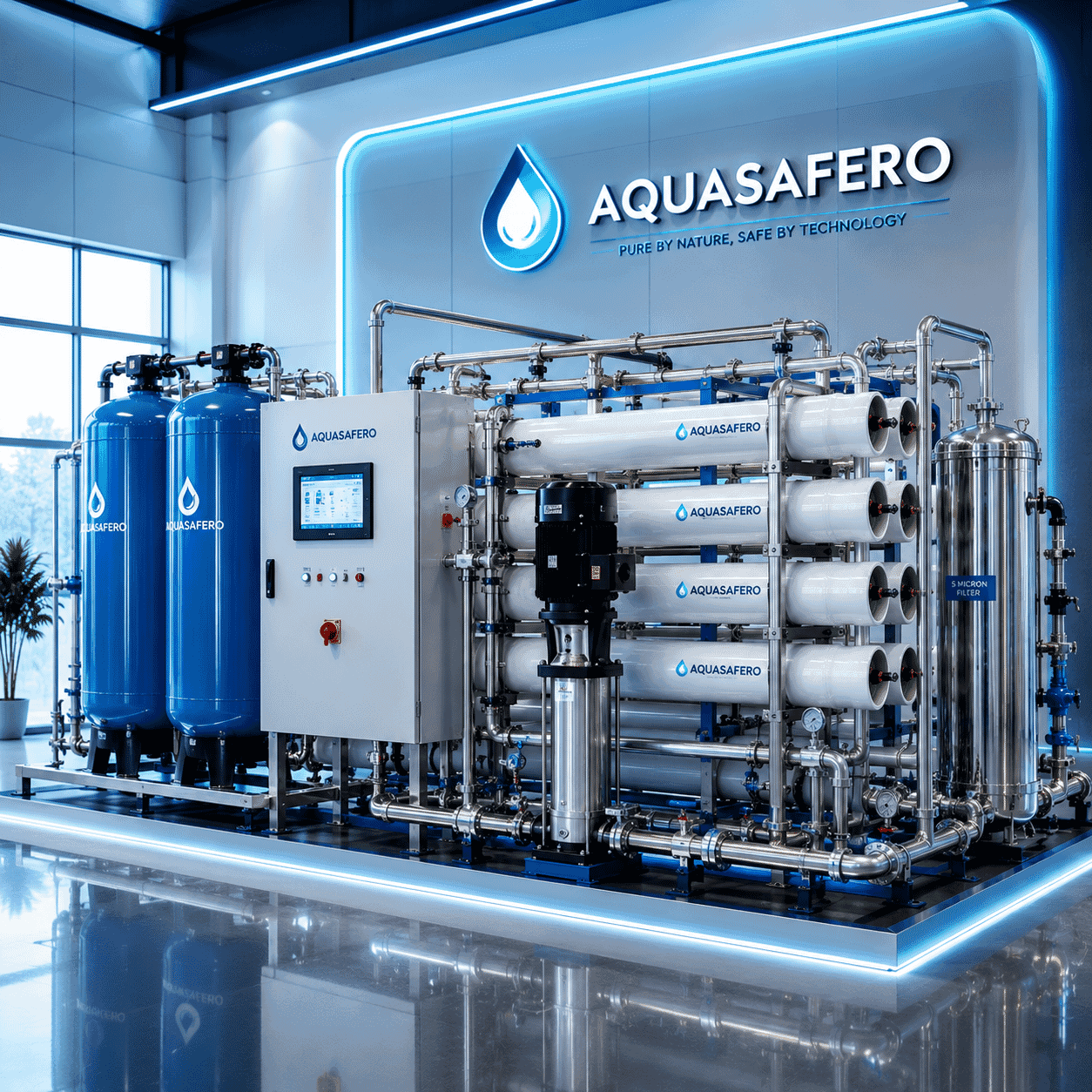
Water softeners take water from city or well pipes and filter it through a mineral tank containing resin beads. These beads have a negative electrical charge, which attracts the positive charge of hard particles like calcium and magnesium, literally pulling them out of the water flow.
Brine Regeneration
Once the beads are covered in hard minerals, the control valve sends a salt-and-water mixture from the brine tank to the resin bed. The salt removes the particles from the beads, and the debris is flushed from the system, resetting the beads for another cycle.
Advanced Efficiency
Water softener technology is better than ever! The technology we use here at Aqua Safe includes new techniques that use significantly less salt than average systems.
Salt Per Rinse
6 lbs 10 lbs
Save a bag every 10 rinses
Softener Configurations
Precision solutions for every demand scale
Ion Exchange Systems
The industry standard for residential purity. These systems substitute sodium ions for calcium, iron, and magnesium. They require periodic salt refills and provide consistent, reliable soft water for entire households.
Dual-Tank Systems
Designed for high-demand environments. While one tank is regenerating, the second tank provides softened water, ensuring zero downtime in your supply. Ideal for larger estates and commercial applications.
Water Softener FAQs
Answering common technical queries
Stop Hard Water Damage Today
Talk to our efficiency experts today for a custom technical assessment of your home's water quality.